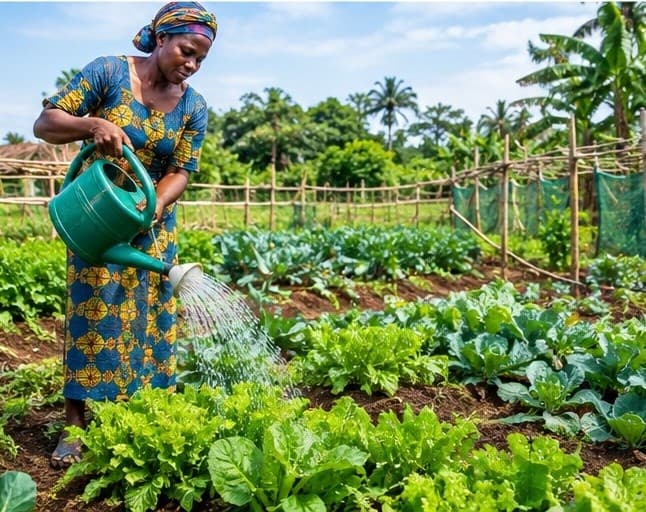
Our Programs
Different enterprises, one household economy
Rice, cassava, vegetables and livestock can reinforce food security and household income. Diversification reduces dependence on one crop and creates multiple income pathways.
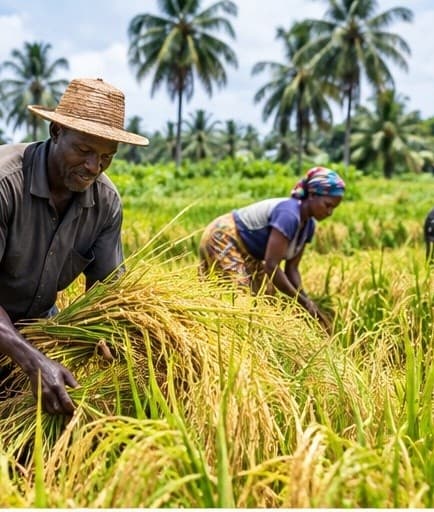
Rice
Food security + income
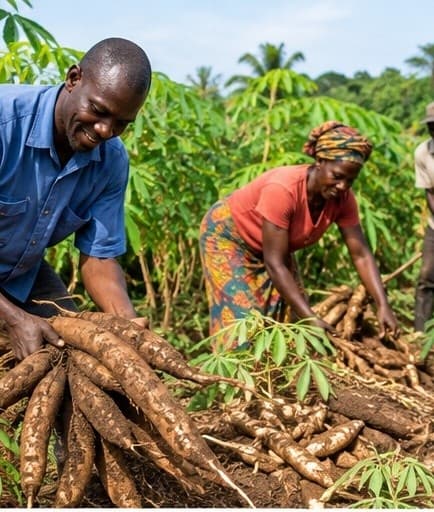
Cassava
Staple food + processing
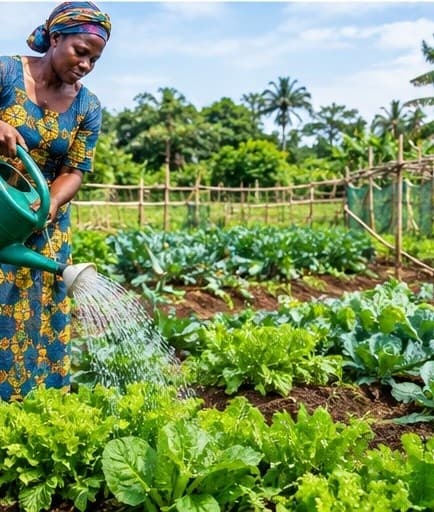
Vegetables
Nutrition + fast cashflow
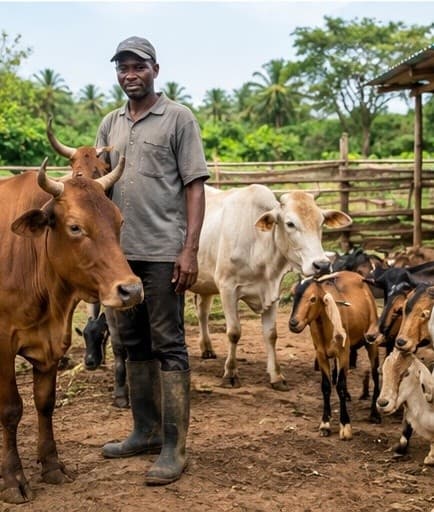
Livestock
Milk, meat, manure + assets
Seed Cooperation & Regulatory Pathway
A compliant pathway for quality seed development, testing, certification and farmer access — bringing technical material, seed know-how and field evidence into Liberia's formal system.
Source: Liberia Seed (Development and Certification) Regulations (2021); Ministry of Agriculture / SDCA.
- 01
Variety identification
Candidate varieties + evidence
- 02
Listing & testing
Catalogue; DUS / VCU where applicable
- 03
Seed multiplication
Pre-basic → basic → certified seed
- 04
Quality control
Field inspections, sampling and laboratory controls
- 05
Certification & labeling
SDCA certification + traceability
- 06
Distribution
Approved channels, storage and farmer access
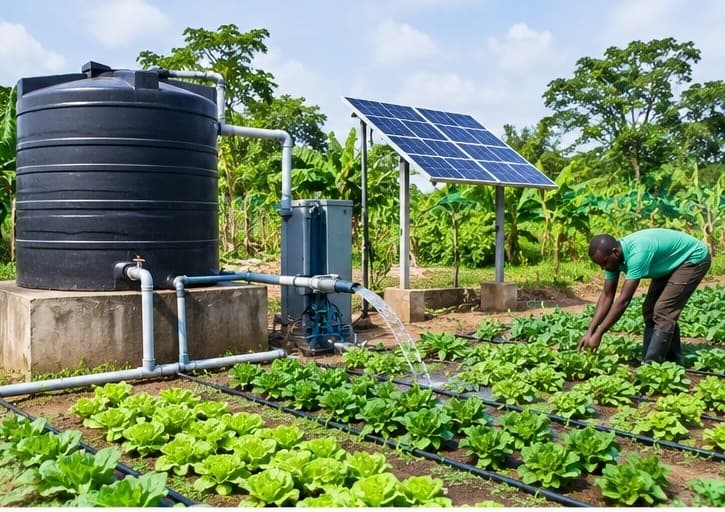
Rainwater Harvesting & Irrigation
Water security is the bridge between rainy-season potential and year-round livelihoods. Low-cost system options convert seasonal rainfall into reliable production without overbuilding infrastructure.
- Roof and surface runoff collection
- Farm ponds, tanks and small reservoirs
- Gravity-fed or low-pressure drip lines
- Solar pumping for suitable sites
- Water scheduling and efficient application
- Community rules for operation and maintenance
Sustainable Farming & Soil Health
Protect the production base while improving yields and resilience. Healthy soil leads to better water use, stronger crops, and more reliable livelihoods.
- Crop rotation and intercropping
- Compost and organic matter management
- Reduced soil disturbance where feasible
- Mulching and ground cover to conserve moisture
- Agroforestry / tree integration where suitable
- Soil testing and balanced nutrient management
- Integrated pest and disease management
Women & Youth Livelihood Development
Making inclusion operational through five practical entry points. Target: participation, income and decision-making — together.
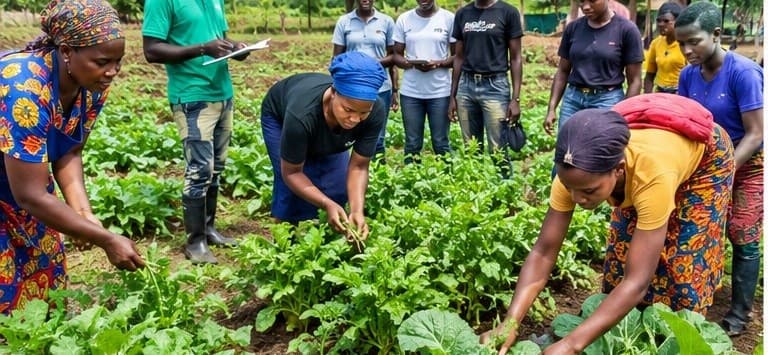
- Training
- Farmer field schools + extension
- Inputs
- Quality seed, tools, water kits
- Finance
- Savings groups + appropriate finance
- Enterprise
- Processing, aggregation, services
- Leadership
- Women/youth in cooperative decisions
Post-Harvest Processing & Market Linkages
From farm to market: reduce losses, add value, increase income — moving from raw production toward quality, value addition and reliable buyers.
- 1
Processing
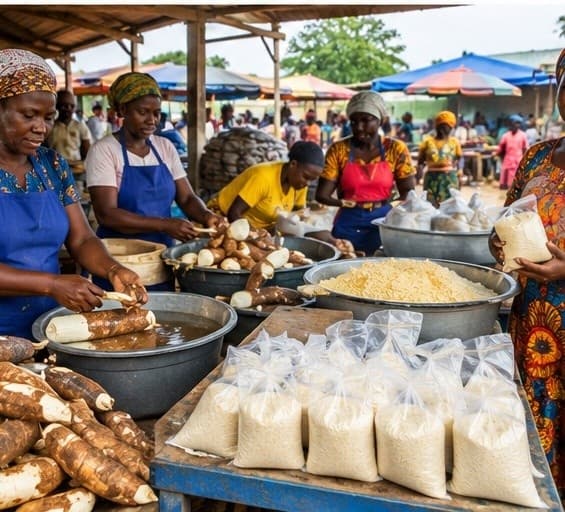
Cleaning, drying, milling, gari/starch and other local value addition
- 2
Packaging
Quality, food safety, storage, labeling and brand consistency
- 3
Market linkages
Local institutions, traders, retailers and regional opportunities
Integrated Livelihoods: Livestock & Fish
Add protein, income and circular-resource opportunities where local conditions support them.
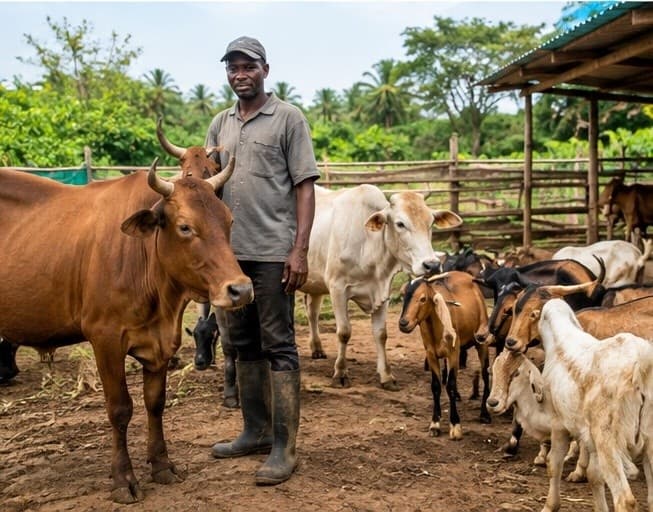
Livestock
Milk/meat · household assets · manure · youth enterprise
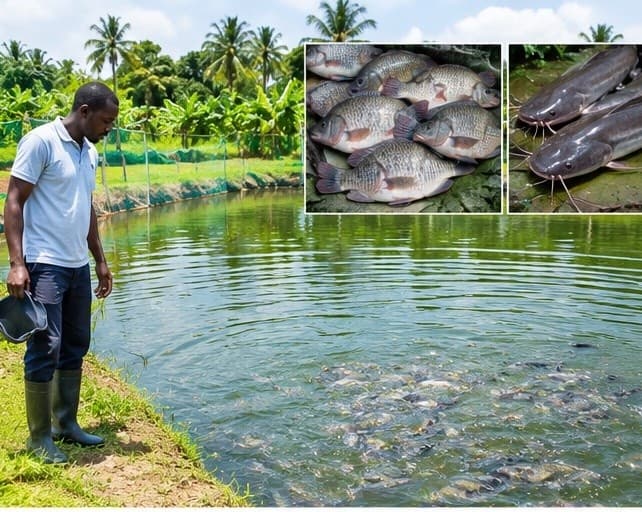
Aquaculture
Protein · fingerlings · feed/pond services · local markets
Context: Liberia's agriculture coordination platform covers livestock and aquaculture; NaFAA is the lead agency for fisheries/aquaculture.
Six programs, one production system
None of these six areas stand alone. Certified seed only pays off with reliable water. Reliable water only pays off with healthy soil. Healthy soil only pays off with a market willing to buy the harvest — and none of it reaches its full potential without women and youth leading enterprise, not just labor. That is why Livres designs each pilot as one system, measured against one results framework, rather than six separate projects.
Seed and water establish the production base.
Soil health and inclusion sustain and widen it.
Markets and livestock convert it into durable income.